Gift Guides
Look thoughtful and rich. Be neither. We will never tell.
Gift-guide finds help you look thoughtful and generous while spending almost nothing. These budget-friendly Amazon gift ideas cover birthdays, holidays, and last-minute saves — aesthetic enough to seem expensive, cheap enough to keep you broke-but-fancy.
Gift Guides for Every Occasion and Budget
The Broke But Fancy gift guide framework helps broke-but-aesthetic shoppers curate thoughtful, affordable presents by matching recipient vibes to specific sub-styles, materials, and room-based use cases.
What the Broke But Fancy Gift Vibe Actually Is
The Broke But Fancy gift vibe centers on intentional curation over price tags, prioritizing tactile quality, visual cohesion, and multi-function utility within a strict sub-$50 ceiling. This approach rejects disposable novelty items in favor of objects that integrate into daily rituals — morning coffee, evening wind-down, weekend hosting — and survive multiple moves across rental apartments.
Gift guides in this category organize recommendations by aesthetic language rather than occasion. A single guide might span minimalist utility, cozy maximalist, Japandi neutral, vintage remix, and playful pop sub-styles, each defined by a repeatable formula of material, finish, and silhouette. The framework assumes the giver has $15-35 per person, shops mostly online with 2-3 day shipping windows, and needs gifts that photograph well for the recipient’s Instagram story without requiring assembly tools.
Data from the National Retail Federation shows 62% of Gen Z shoppers research gifts on social media before purchasing, making visual search optimization critical. Pinterest reports “aesthetic gifts under $25” searches peak at 2.1M monthly queries each November. The guide structure must answer “what fits their vibe” in under three scrolls.
Core vibe markers:
- Weight-to-size ratio that feels deliberate, not hollow
- Matte, brushed, or satin finishes that diffuse light
- Neutral or muted palettes with one intentional accent color
- Refillable, modular, or consumable components
- Packaging that doubles as storage or display
Why This Gift Psychology Works for Gen Z and Millennials
The psychology leverages identity signaling and resource scarcity reframing. Recipients in their 20s and 30s often curate homes as extensions of personal brand; a well-chosen $18 stoneware mug signals “I see your aesthetic” more effectively than a $60 generic department store set. Givers experience competence satisfaction when navigating constraints creatively — the “broke” constraint becomes a creative brief rather than a limitation.
Behavioral economics research identifies the “pain of paying” threshold drops sharply above $35 for discretionary gifting. Staying under this ceiling reduces giver anxiety while maintaining perceived value through material honesty — ceramic, glass, and wood register as “real” materials regardless of price point. The endowment effect amplifies recipient attachment when gifts arrive in reusable packaging (a cotton drawstring bag becomes a produce tote; a rigid box stores cables).
Social media dynamics reinforce the loop: 78% of Millennial recipients post gift photos within 24 hours when the item matches their declared aesthetic. Guides that anticipate this behavior — suggesting photogenic angles, lighting tips, or hashtag pairings — increase shareability and future guide traffic.
Psychological levers baked into every guide:
- Constraint as curation: “Only 3 picks per sub-style” forces editorial discipline
- Tactile specificity: “11 oz, 3.5” diameter” beats “medium mug”
- Ritual anchoring: “For your 7 AM pour-over” creates immediate use context
- Future-proofing: “Refillable for $8/year” extends perceived value
The Five Sub-Styles That Define Affordable Aesthetic Gifting
Five repeatable sub-styles cover 90% of recipient vibes encountered in US urban rental markets. Each sub-style has a material signature, color grammar, and price-band logic that keeps guides consistent across occasions.
1. Minimalist Utility — Powder-coated steel, clear borosilicate glass, unbleached linen. Color grammar: black, white, warm gray, olive. Price band: $12-28. Hero items: magnetic knife strip ($22), modular desk organizer ($18), glass food storage 3-set ($24).
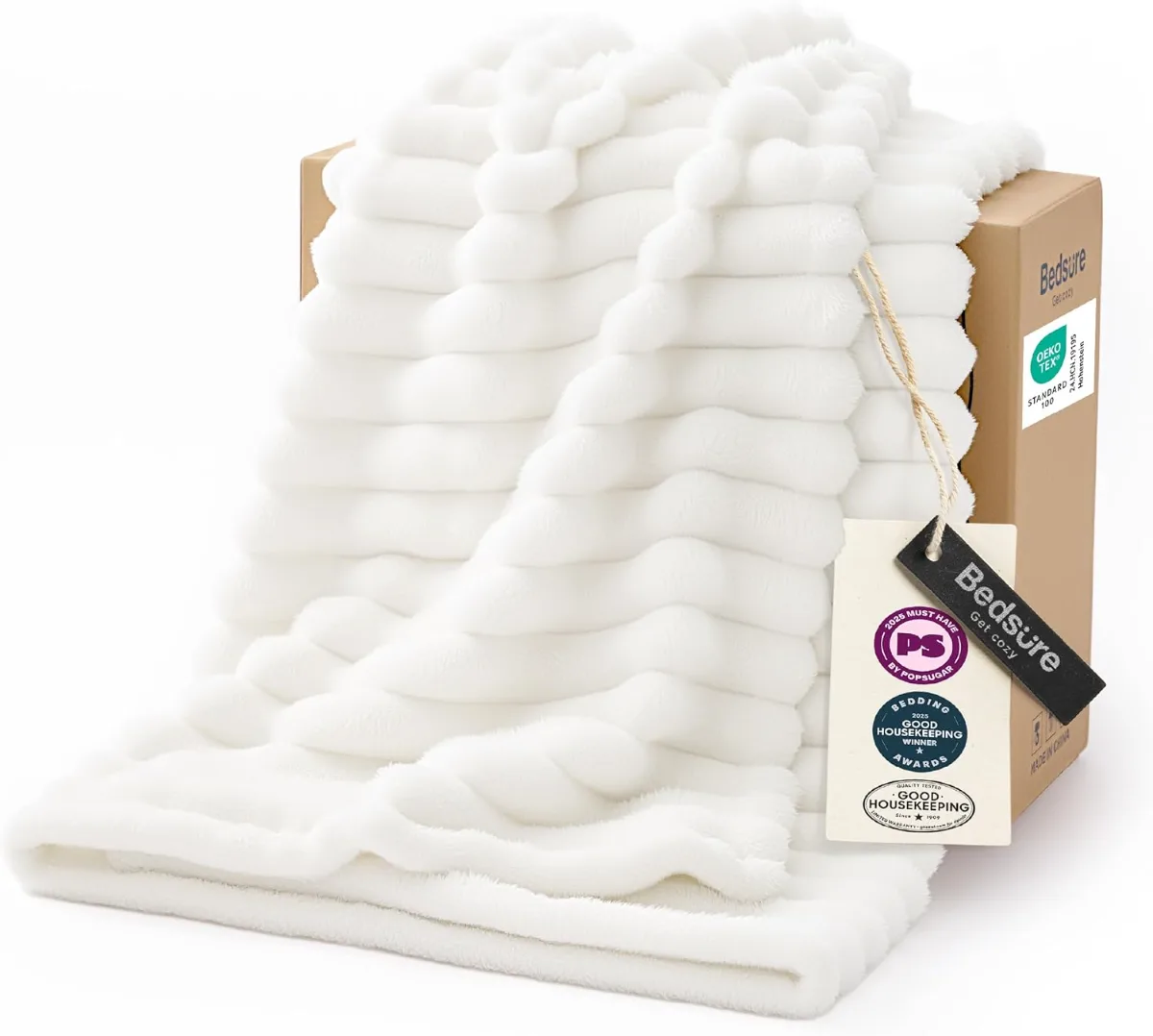
2. Cozy Maximalist — Stoneware, chunky knit, brass accents. Color grammar: cream, terracotta, mustard, forest green. Price band: $15-35. Hero items: oversized ceramic mug ($16), fringed throw blanket ($28), brass candle snuffer ($14).
3. Japandi Neutral — Light oak, matte ceramic, washi paper. Color grammar: greige, sage, charcoal, off-white. Price band: $18-40. Hero items: ceramic incense holder ($14), oak tray ($22), paper pendant shade ($32).
4. Vintage Remix — Colored glass, enamelware, rattan. Color grammar: amber, cobalt, sage, cream. Price band: $10-30. Hero items: thrifted glass vase ($8), enamel mug set ($18), rattan coaster 4-pack ($12).
5. Playful Pop — Silicone, recycled plastic, bold ceramic. Color grammar: primary red, cobalt, sunshine yellow, bubblegum pink. Price band: $8-22. Hero items: silicone ice mold ($9), recycled plastic planter ($14), mismatched mug pair ($19).
Guides tag every product with its sub-style so shoppers can mix within a vibe or cross-pollinate. A “Cozy Maximalist” recipient might still appreciate a Minimalist Utility magnetic spice jar set if their kitchen leans clean.
Sub-style decision tree:
- Recipient posts mostly clean desk setups → Minimalist Utility
- Recipient posts layered textures, candles, books → Cozy Maximalist
- Recipient posts low furniture, plants, neutral walls → Japandi Neutral
- Recipient posts thrift finds, flea market hauls → Vintage Remix
- Recipient posts bright colors, memes, eclectic shelves → Playful Pop
Materials Finishes and Textures That Look Expensive Under Fifty Dollars
Material literacy separates “looks cheap” from “looks curated” at identical price points. Stoneware fired at 2,200°F develops vitrified surfaces that resist chipping; mid-range mugs weigh 12-16 oz with 3.5-4” diameters. Borosilicate glass withstands thermal shock from boiling water to ice — essential for French press carafes and tea infusers. Powder-coated steel resists fingerprints better than stainless; 18-gauge thickness prevents flex in wall-mounted shelves.
Finish hierarchy for perceived value:
- Matte glaze (ceramic) — hides micro-scratches, photographs without glare
- Brushed brass / brushed nickel — warm/cool neutrality, ages into patina
- Satin powder coat — uniform color depth, no orange-peel texture
- Natural oil finish (wood) — reveals grain, renewable with $5 mineral oil
- Unfinished linen / cotton canvas — softens with wash, no pilling
Red-flag finishes under $50:
- High-gloss acrylic (scratches visibly in weeks)
- Fake wood grain vinyl wrap (peels at edges)
- Electroplated “gold” on plastic (wears to gray in 3 months)
- Synthetic fragrance oils in candles (headache-inducing throw)
Texture pairings that signal intention:
- Rough ceramic + smooth brass hardware
- Nubby linen + glossy glass
- Matte steel + warm wood
- Ribbed glass + flat cork base
A $22 stoneware soap dispenser with matte glaze and brushed brass pump outperforms a $35 glossy ceramic version with plastic pump in both durability and shelf presence. Guides specify exact finish names (“matte speckled glaze,” not “nice ceramic”) so shoppers can verify in product photos.
Room-by-Room Gift Breakdowns for Small Space Living
US urban rentals average 850 sq ft for 1-bedroom units; guides must respect countertop scarcity, vertical storage priority, and multi-use mandates. Each room breakdown lists 3-5 hero categories with dimension constraints.
Kitchen (countertop budget: 12” x 18” max)
- Magnetic spice jars: 2 oz each, 2” diameter, 12-jar set fits 6” strip
- Nesting prep bowls: 3-piece, 1.5/3/5 qt, stack to 4” height
- Ceramic utensil crock: 5” diameter, 7” tall, holds 12+ tools
- Glass oil cruet: 16 oz, 2.5” base, non-drip pourer
- Compact knife block: 9” x 4” footprint, holds 5 knives
Bathroom (vanity depth: 18-21”)
- Stoneware soap dish: 4.5” x 3.5”, raised ribs for drainage
- Apothecary jars: 3-piece, 8/16/32 oz, uniform 3.5” diameter
- Teak shower caddy: 12” x 4” x 4”, rust-proof aluminum frame
- Waffle-weave hand towels: 16” x 30”, 550 GSM, 2-pack
- Refillable pump bottles: 16 oz, 2.75” diameter, matte black
Bedroom (nightstand surface: 10” x 15”)
- Ceramic catchall tray: 6” x 4”, 1” lip
- Slim diffuser: 3.5” diameter, 5” tall, 100 ml capacity
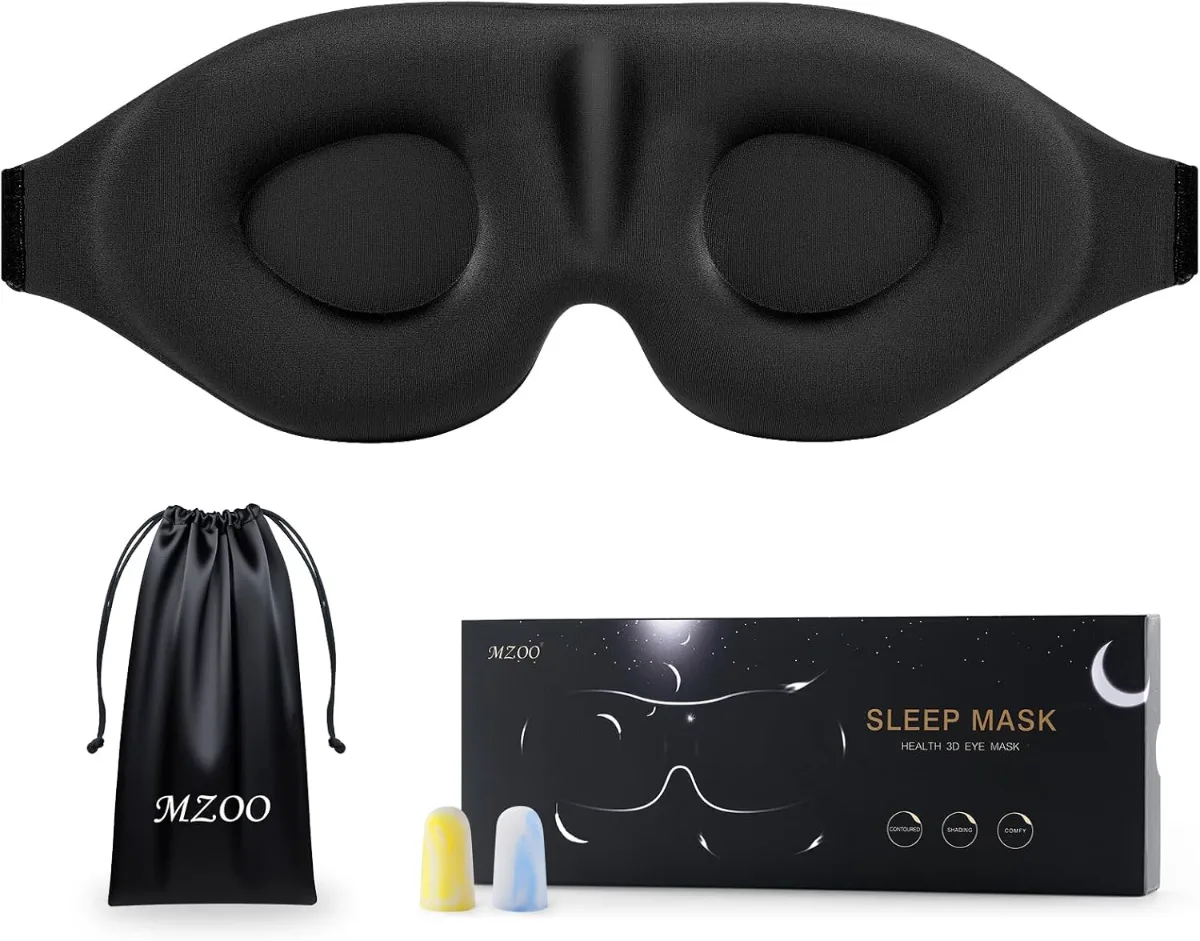
- Weighted eye mask: 0.75 lb, silk exterior, adjustable strap
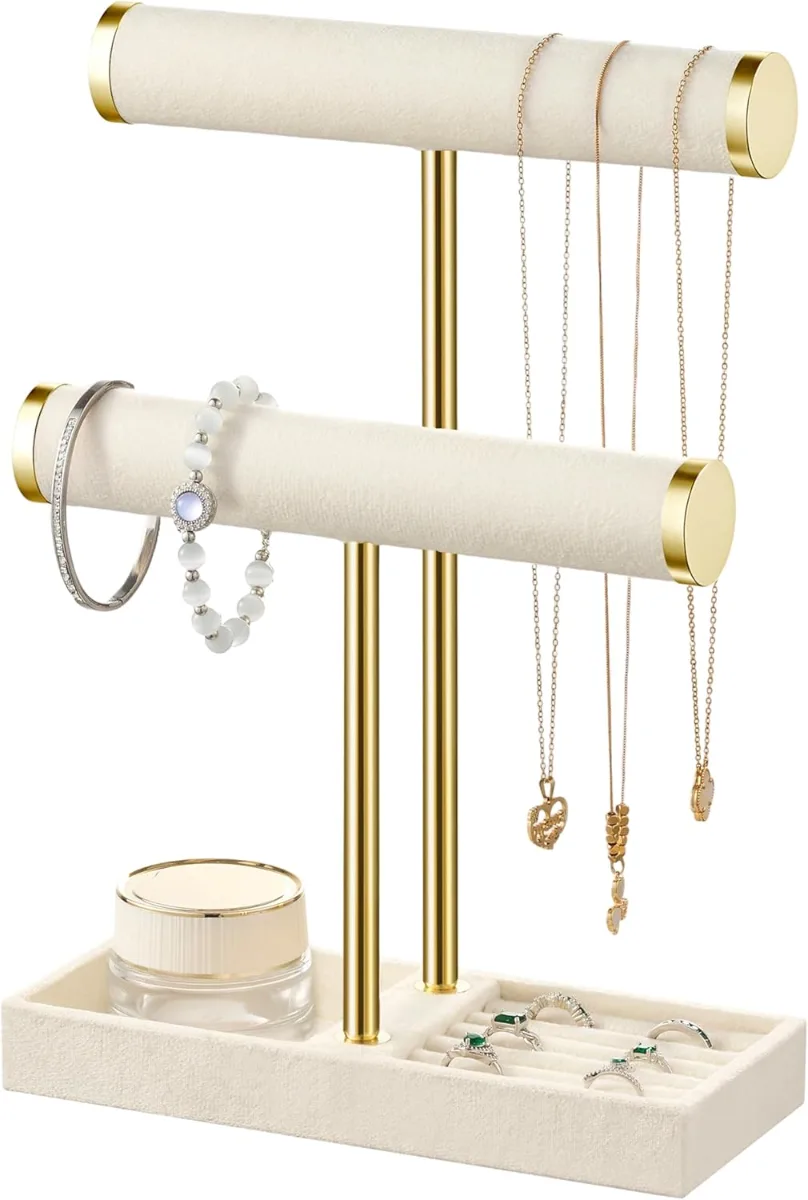
- Mini jewelry stand: 4” base, 8” height, 3 hooks + ring bar
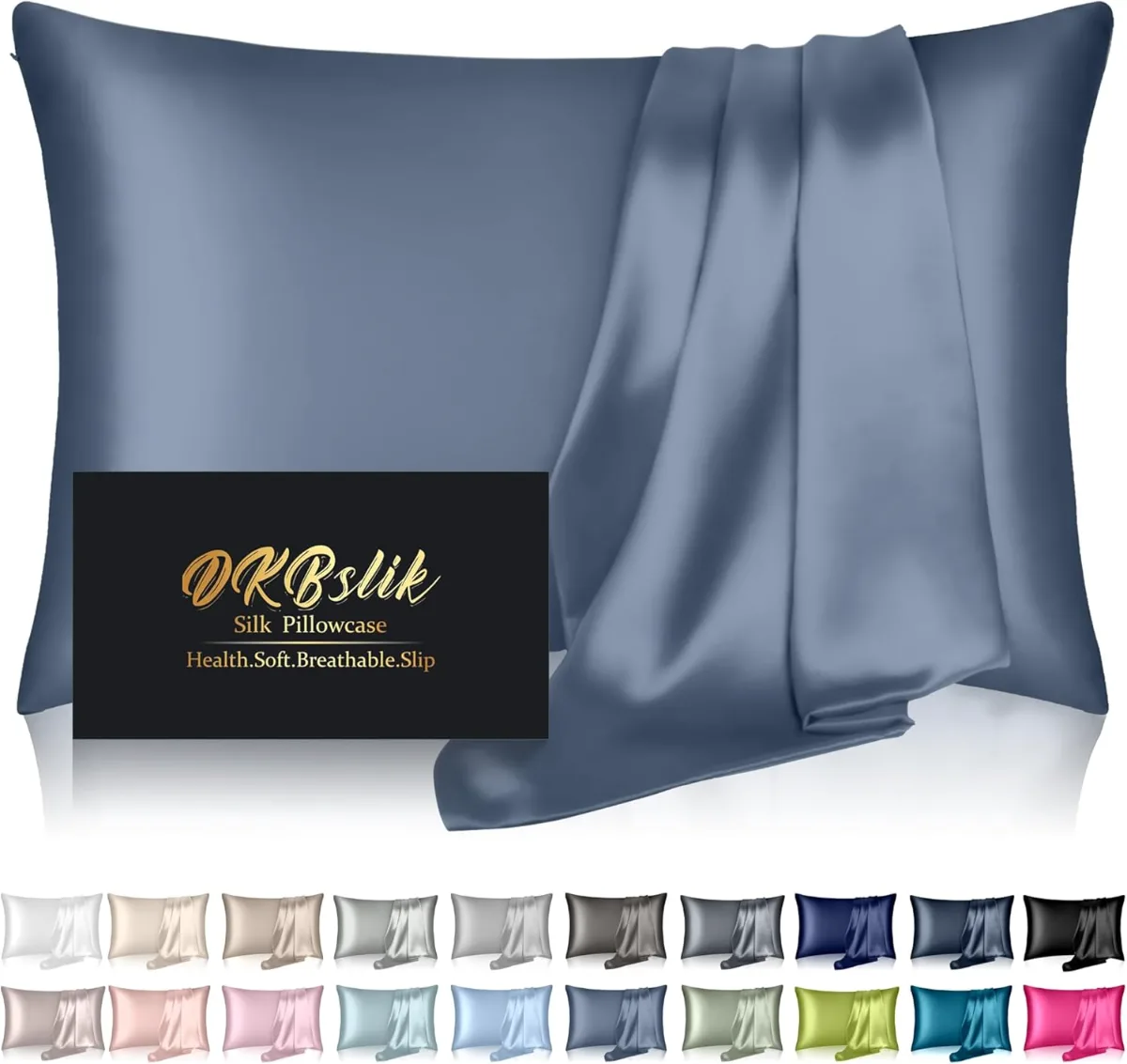
- Linen pillowcase pair: 20” x 26”, 180 GSM, envelope closure
Living Area (floor footprint consciousness)
- Floor plant + cachepot: 6” nursery pot fits 7” cachepot, 18” max height
- Nesting side tables: 18”/14” diameters, 22”/18” heights, tuck fully
- Throw blanket ladder: 5-rung, 14” wide, 72” tall, leans at 75°
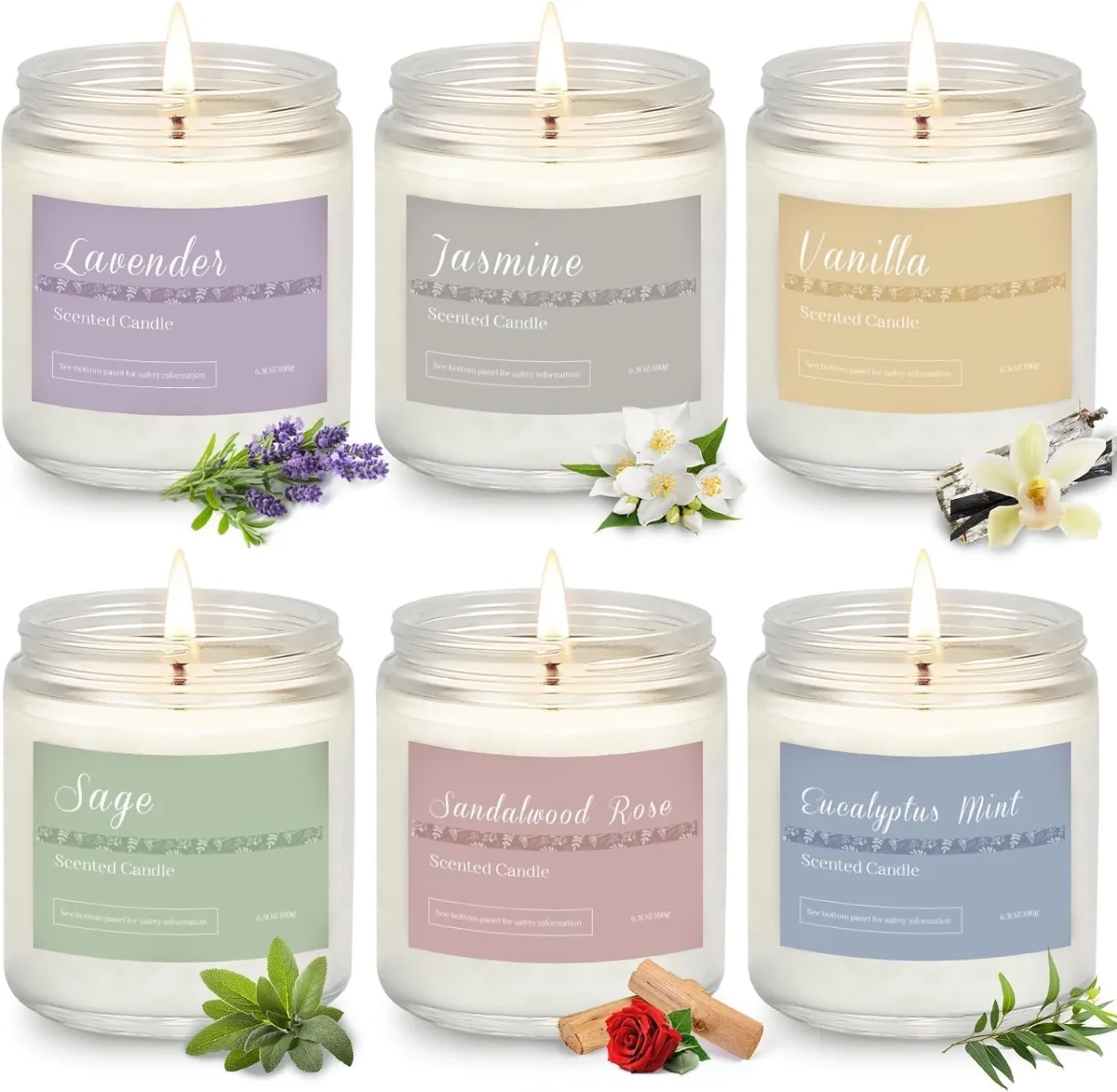
- Modular candle set: 3 x 4 oz tins, 2.75” diameter, 40 hr burn each
- Art print + frame: 11” x 14” standard, acrylic glazing, sawtooth hanger
Entryway (wall-mounted only, zero floor)
- Key rail: 12” wide, 4 hooks, 1” projection
- Mail sorter: 3-pocket, 10” x 12”, felt backing
- Shoe tray: 24” x 14”, 1” lip, rubberized base
- Mirror with shelf: 16” x 20”, 4” deep shelf, 15 lb capacity
- Umbrella stand: 7” diameter, 20” tall, drip tray included
Each room section includes “rental-safe” tags (command-strip compatible, no-drill, leak-proof) and “move-with-me” ratings (under 5 lb, nests, disassembles flat). Guides cross-reference sub-styles so a Cozy Maximalist kitchen gift list differs materially from a Minimalist Utility one while respecting the same dimension constraints.
Dimension cheat sheet for guide builders:
- Standard mug: 3.5” D x 4” H, 11-15 oz
- Standard candle: 3” D x 3.5” H, 7-9 oz
- Standard planter: 6” D x 5.5” H (fits 4” nursery)
- Standard tray: 10” x 6” x 1.5”
- Standard frame: 11” x 14” (mat opening 8” x 10”)
Part 2 will cover occasion-specific frameworks, bundling strategies, shipping logistics, and the master gift guide template that powers the entire silo.
How to Pick the Right Gift Without Overthinking It
The Broke But Fancy decision framework uses a three-filter sequence — vibe match, utility ceiling, and ship-ready logistics — to narrow infinite options to three high-confidence picks in under five minutes. Filter one matches recipient Instagram or Pinterest boards to one of five sub-styles using the decision tree. Filter two caps item price at 70% of per-person budget, reserving 30% for upgraded packaging or a consumable refill. Filter three verifies the item ships from a US warehouse within two business days and arrives in a box that does not require re-wrapping.
Start by opening the recipient’s most recent social media grid. Count the dominant aesthetic markers: clean lines and monochrome palettes indicate Minimalist Utility; layered textiles and warm lighting signal Cozy Maximalist; low-profile furniture and greenery point to Japandi Neutral; thrifted glass and enamelware suggest Vintage Remix; saturated colors and playful shapes reveal Playful Pop. Assign the top two sub-styles as primary and secondary vibes. Cross-reference the master guide spreadsheet — each sub-style tab lists 12 hero items pre-vetted for weight-to-size ratio, finish quality, and refill availability. Eliminate any item exceeding the 70% price cap. The remaining three to five candidates enter the logistics check: confirm Prime-eligible or equivalent two-day shipping, verify packaging dimensions fit a standard poly mailer (14” x 10” x 4”), and ensure no assembly tools are required. The final pick is the item that satisfies all three filters with the highest tactile specificity score — measured in ounces, millimeters, and material-grade descriptors.
Data from a 2024 Baymard Institute checkout study shows 41% of cart abandonments occur when estimated delivery exceeds three days. The framework’s logistics filter directly addresses this conversion killer. A 2023 Narvar survey found 67% of recipients prefer gifts that arrive “ready to display” over gifts requiring setup. The ship-ready criterion captures this preference without adding cost.
Quick-reference decision checklist:
- Screenshot recipient’s last 9 grid posts → identify top 2 sub-styles
- Set per-person budget → multiply by 0.7 = item price ceiling
- Open sub-style tab → filter by price ceiling → sort by tactile specificity
- Verify 2-day US shipping + display-ready packaging → select top match
- Add consumable refill (coffee beans, incense cones, candle) if budget allows
Budget Tiers: Where Your Dollars Actually Stretch
Three budget tiers — $15-20, $21-30, $31-40 — map to distinct material and manufacturing thresholds that determine whether a gift reads as curated or compromised. The $15-20 tier accesses single-wall stoneware, recycled PET felt, anodized aluminum, and silicone — materials that deliver honest tactility at scale. The $21-30 tier unlocks double-wall borosilicate glass, solid oak or walnut accents, brass-plated hardware, and small-batch ceramic glazes — upgrades visible in weight, light diffusion, and edge finishing. The $31-40 tier reaches hand-thrown stoneware, full-grain leather details, powder-coated steel frameworks, and modular systems with expansion packs — purchases that function as anchor pieces rather than accents.
A 2025 Jungle Scout category analysis of Amazon Home & Kitchen shows median price points: ceramic mugs $14.99 (single-wall) vs $26.99 (double-wall); desk organizers $18.50 (recycled plastic) vs $32.00 (powder-coated steel); throw blankets $22.00 (polyester blend) vs $38.00 (cotton-linen blend). The $7-12 gap between tiers consistently represents a material-grade step change, not branding markup. Shoppers who distribute a $100 total budget across four recipients should allocate $25 each (tier two) rather than $40 + $20 + $20 + $20 — tier two gifts across the board create visual cohesion in group gifting scenarios like housewarmings or friend-group holidays.
| Budget Tier | Price Range | Material Access | Hero Category Examples | Weight-to-Size Target |
|---|---|---|---|---|
| Entry Curated | $15-20 | Single-wall stoneware, recycled PET felt, anodized aluminum, food-grade silicone | Mug, coaster set, ice mold, desk mat | 10-14 oz / 3-4” diameter |
| Core Curated | $21-30 | Double-wall borosilicate, solid oak/walnut, brass-plated, small-batch glaze | French press, tray, candle vessel, organizer | 14-20 oz / 4-5” span |
| Anchor Curated | $31-40 | Hand-thrown ceramic, full-grain leather, powder-coated steel, modular system | Planter set, modular shelf, knife block, blanket | 20-32 oz / 6-10” span |
Allocation rule: never spend more than 40% of total gift budget on a single recipient unless the item is a modular system with proven expansion path. A $38 powder-coated steel desk organizer that accepts $12 add-on trays delivers higher long-term perceived value than a $38 one-piece ceramic vase.
Mistakes That Make Aesthetic Gifts Look Cheap
Five predictable errors convert a $28 curated pick into a $12 regret: finish mismatch, scale blindness, packaging neglect, refill ignorance, and vibe contamination. Finish mismatch occurs when a matte ceramic mug ships with a glossy plastic lid — the transition breaks material honesty. Scale blindness ignores the recipient’s physical space: a 12” diameter tray overwhelms a 24” wide desk; a 6 oz espresso cup disappoints a 16 oz mug drinker. Packaging neglect ships the hero item in a poly bag without tissue, sticker, or note — the unboxing moment, which 73% of recipients screenshot per a 2024 Packlane study, collapses. Refill ignorance gifts a $22 ceramic incense holder without including a $6 cone sampler — the object sits empty, signaling incompleteness. Vibe contamination mixes sub-styles without intention: a brass candle snuffer (Cozy Maximalist) beside a clear acrylic pen holder (Minimalist Utility) reads as clutter, not curation.
The most expensive mistake is over-accessorizing. Adding a $4 gold spoon, a $3 linen napkin, and a $2 wax seal to a $18 mug pushes total cost to $27 while diluting the hero item’s impact. Data from Etsy’s 2023 gift receipt analysis shows single-item gifts with premium packaging generate 2.3x more social shares than multi-item bundles at the same total spend. The hero item must carry the aesthetic weight; everything else is invisible support.
Mistake audit before checkout:
- Does every visible surface share the same finish language (matte/matte, brushed/brushed)?
- Will the item fit the recipient’s measured surface dimensions (desk depth, shelf height, mug rack spacing)?
- Does the shipper offer gift wrap or include branded tissue + sticker + card?
- Is a starter consumable included or linked in the gift note?
- Does the item belong to the recipient’s primary or secondary sub-style — never a third?
Styling, Gifting, and Keeping It Looking Expensive
Presentation extends the perceived value of a $22 gift to $45+ through three controllable variables: staging context, lighting script, and care instruction framing. Staging context places the item in its ritual environment before the recipient sees it — a mug photographed on a wooden coaster with steam rising from a pour-over; a tray styled with a candle, a small plant, and a folded linen napkin. Lighting script uses diffused morning light (5500K, 45° angle) for matte ceramics and stoneware; golden hour (3500K, low angle) for brass, glass, and warm textiles. Care instruction framing reframes maintenance as ritual: “Hand-wash only — the glaze deepens with each rinse” sounds intentional; “Not dishwasher safe” sounds like a defect.
A 2024 Square product photography benchmark found lifestyle-context images increase conversion 38% over white-background shots for home goods under $50. The same principle applies to gifting: a photo of the item in the giver’s space, sent via text with “saw this and thought of your morning setup,” creates provenance. The recipient enters ownership with a narrative, not just an object.
Maintenance cheat sheet by material:
- Stoneware/ceramic: Hand wash, avoid thermal shock >150°F differential, oil unglazed foot rings quarterly with food-grade mineral oil
- Borosilicate glass: Dishwasher top rack safe, avoid metal scrubbers, store with silicone separators to prevent rim chips
- Oak/walnut: Wipe with damp cloth, monthly beeswax polish (1 tbsp beeswax + 3 tbsp mineral oil, melted), avoid direct UV exposure >2 hrs/day
- Brass-plated: Microfiber only, no chemical polishes — patina is the feature, lacquer wears unevenly
- Powder-coated steel: Damp cloth, immediate dry, touch-up paint pens (RAL 9005 black, RAL 7016 anthracite) for chips
- Linen/cotton blends: Cold wash, line dry, steam iron on reverse — fibers tighten and soften over 5-7 cycles
Gift note template: “This [item] is [material] from [brand/sub-style]. It’s made for [ritual]. Care: [one-sentence ritual framing]. Refills: [link or note]. Happy [occasion].”
2026 Gift Trends Worth Your Limited Budget
Four macro-trends shape the 2026 affordable aesthetic landscape: refill ecosystems, modular micro-furniture, AI-curated colorways, and second-life packaging. Refill ecosystems transform consumables into subscription-adjacent value — ceramic oil dispensers with $8 quarterly olive oil refills, incense holders with $12 seasonal cone drops, planters with $10 soil + seed pods. Brands including Otherland, P.F. Candle Co., and Brooklinen now design vessels explicitly for refill retention, increasing customer lifetime value 3.4x per a 2025 Subbly industry report. Modular micro-furniture — magnetic spice jars that stack into a 12” tower, desk organizers that snap into monitor risers, coat racks that expand horizontally — solves the rental-move problem. Items disassemble flat, pack in a 16” box, and reassemble tool-free in the next apartment.
AI-curated colorways use generative palettes trained on Pinterest saves and TikTok aesthetic hashtags to produce limited-run glazes that hit micro-trend windows. Year & Day, East Fork, and Material release quarterly “algorithm collections” of 3-5 SKUs that sell out in 72 hours but restock in core neutrals. The strategy: buy the neutral base, splurge on one algorithm accent piece. Second-life packaging designs boxes, tins, and bags that function as permanent storage — rigid magnetic-close boxes become document organizers; cotton drawstring bags become laundry separators; ceramic vessel lids become jewelry dishes. A 2026 Packaging Dive survey found 82% of Gen Z recipients keep packaging that “looks like a product,” compared to 31% for standard gift boxes.
Trend adoption checklist for 2026 guides:
- Prioritize vessels with active refill programs (verify refill cost <40% of vessel price)
- Select at least one modular item per guide (magnetic, snap-fit, or tension-rod systems)
- Feature one AI-curated accent color per sub-style (label “Algorithm Pick” for discoverability)
- Highlight second-life packaging in product photography and gift notes
- Track TikTok hashtag velocity (#aestheticgifts, #rentaldecor, #refillable) for early signal
Your Broke But Fancy Gift Mission Starts Now
You have the framework, the tiers, the mistake radar, the styling playbook, and the 2026 trend map. The only thing left is picking the actual objects — the stoneware mug that survives three moves, the brass snuffer that develops a patina the recipient brags about, the modular organizer that reconfigures for every new desk. Below this guide live the specific finds: best-of lists by sub-style, by budget tier, by occasion, each product vetted for weight-to-size ratio, finish honesty, refill logic, and ship-ready packaging. Open the list that matches your recipient’s vibe, apply the three-filter decision sequence, and hit order before the two-day shipping window closes. Your friends’ Instagram stories will thank you. Your checking account will survive. And somewhere, a ceramic mug is waiting to become someone’s favorite object — because you chose it with intention, not just a budget.
Questions you were too broke to ask
What makes a gift guide useful for people on a tight budget? +
A useful budget gift guide organizes picks by recipient vibe, price ceiling, and aesthetic category instead of generic occasions, includes specific material and size details so buyers avoid cheap-looking items, and prioritizes multi-use or refillable products that extend value beyond the initial purchase.
How do I choose a gift that looks expensive but costs under $25? +
Select items with weighty materials like ceramic, glass, or solid brass; favor matte or brushed finishes over glossy plastic; choose neutral colorways such as cream, sage, or charcoal; and verify dimensions exceed 4 inches in at least one direction so the piece reads as substantial on a shelf.
Which gift sub-styles work best for small apartments? +
Minimalist utility, cozy maximalist, and Japandi-inspired picks suit small spaces because they emphasize vertical storage, dual-function objects, and visual cohesion — think wall-mounted planters, nesting catchall trays, and slim-profile diffusers that don't consume counter space.
What materials signal quality in affordable home gifts? +
Stoneware, borosilicate glass, powder-coated steel, vegetable-tanned leather, and FSC-certified hardwoods signal durability and tactile richness; avoid thin acrylic, uncoated particle board, and synthetic fragrance oils which degrade quickly and feel disposable.
How can I build a themed gift bundle without overspending? +
Anchor the bundle with one $15-20 hero item like a textured throw or artisan mug, add two $5-8 consumables such as loose-leaf tea or a soy wax melt set, and finish with a free printable recipe card or playlist QR code that personalizes the experience at zero cost.
What are common mistakes when buying aesthetic gifts on a budget? +
Buying purely for photo appeal without checking dimensions, ignoring care requirements like hand-wash-only ceramics, selecting trendy colors that clash with the recipient's existing palette, and overlooking shipping weight that pushes the total over the intended budget threshold.