Cozy Home
Make your rental look like a Pinterest board on a Target budget.
Cozy-home finds turn a boring rental into a warm, expensive-looking space — no renovation, no deposit drama. Think peel-and-stick upgrades, warm lighting, and chunky textures: the affordable Amazon home decor that reads 'boutique hotel' on a very not-boutique budget.
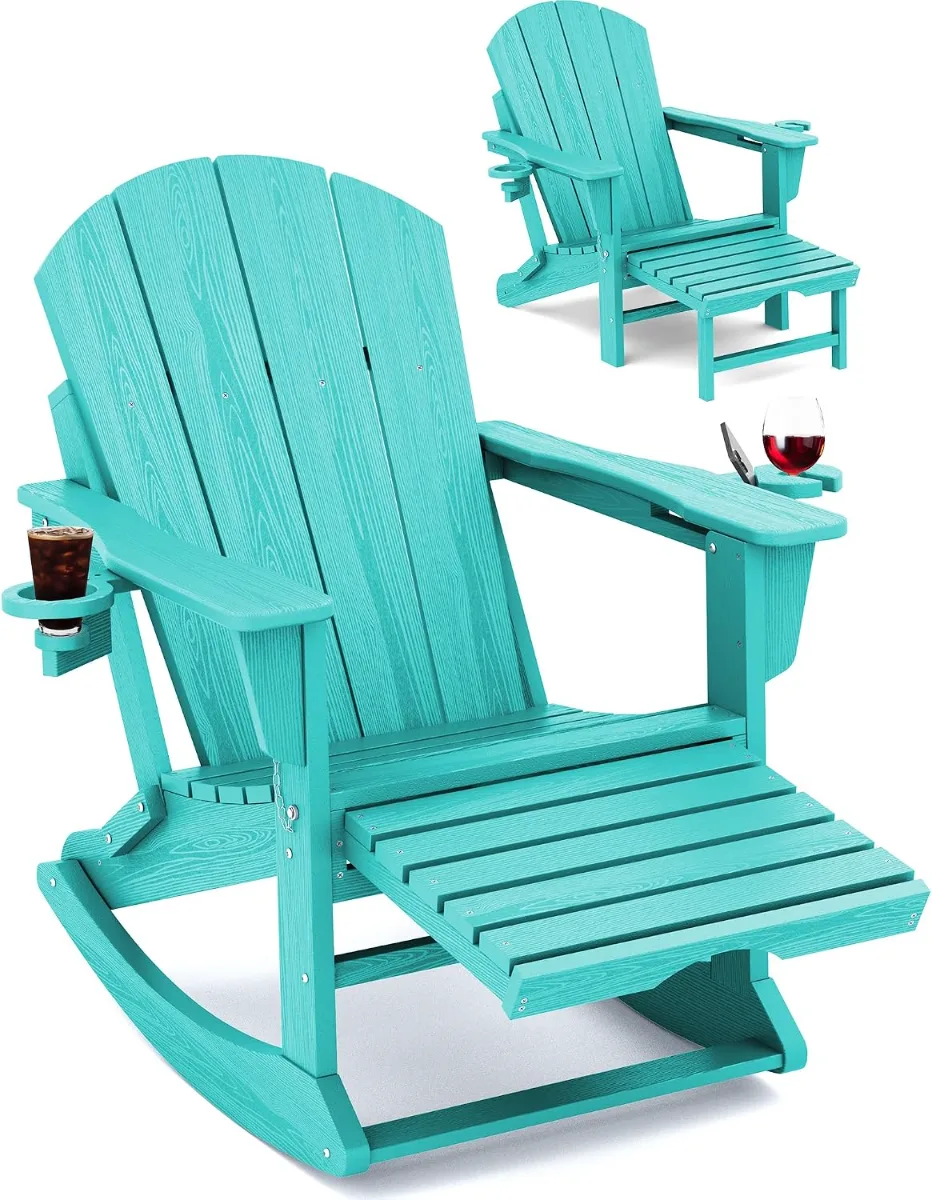
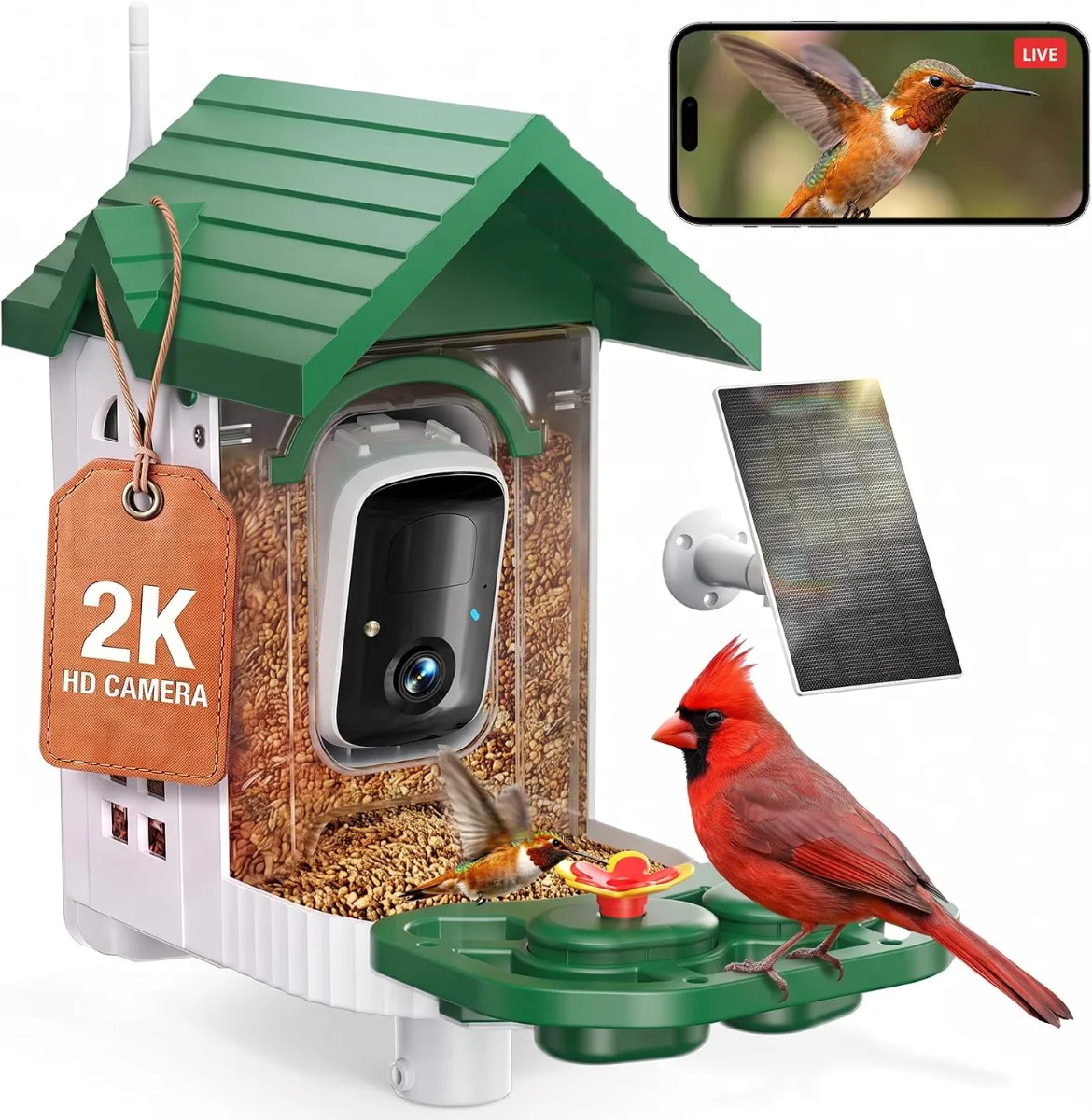
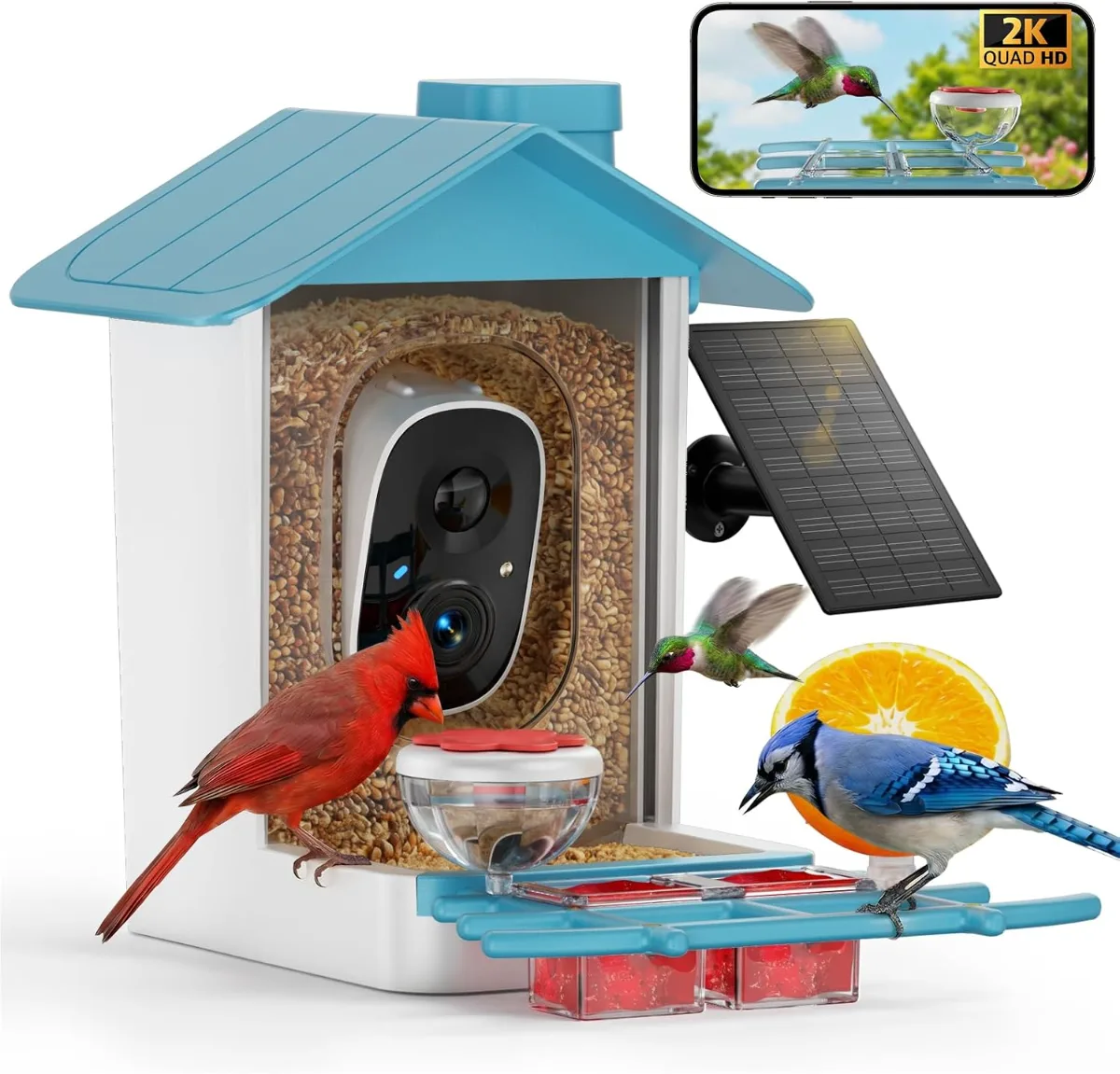
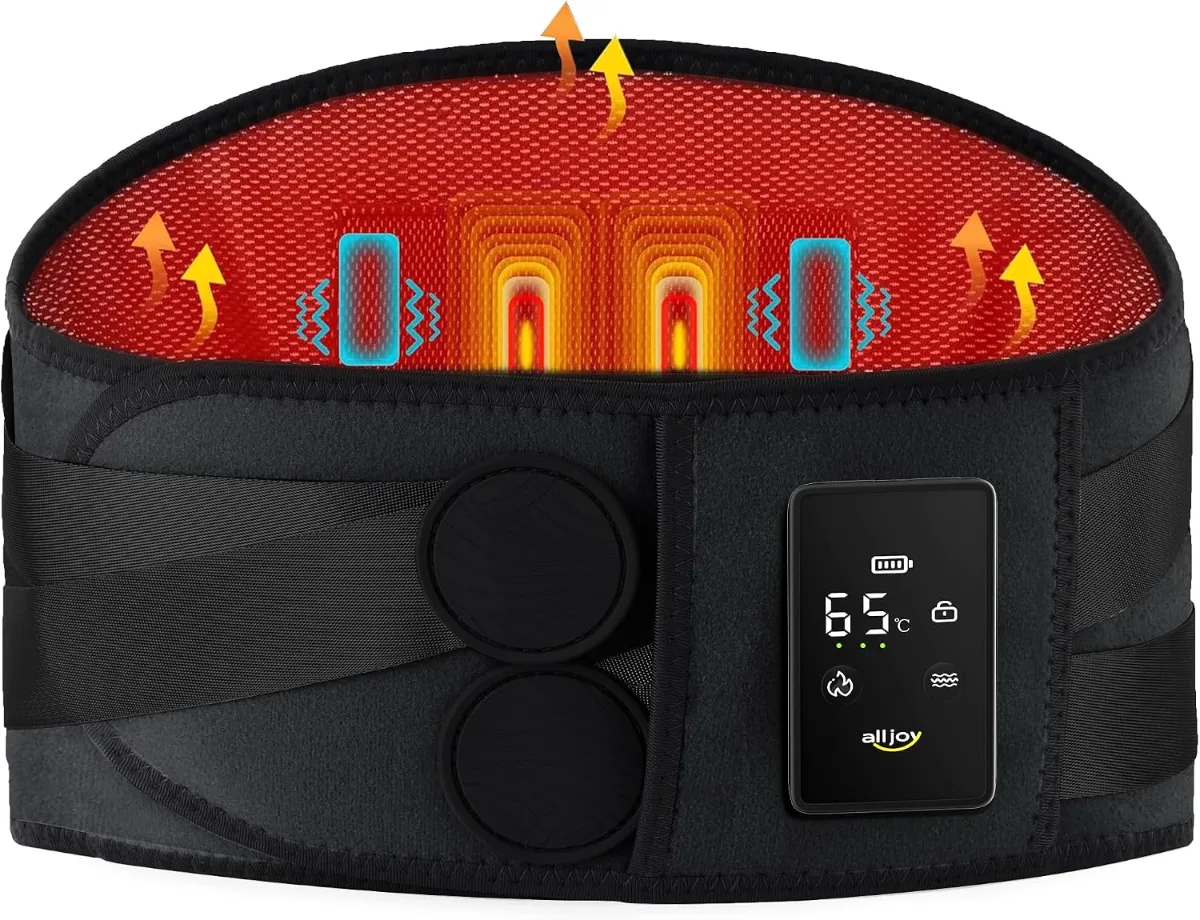

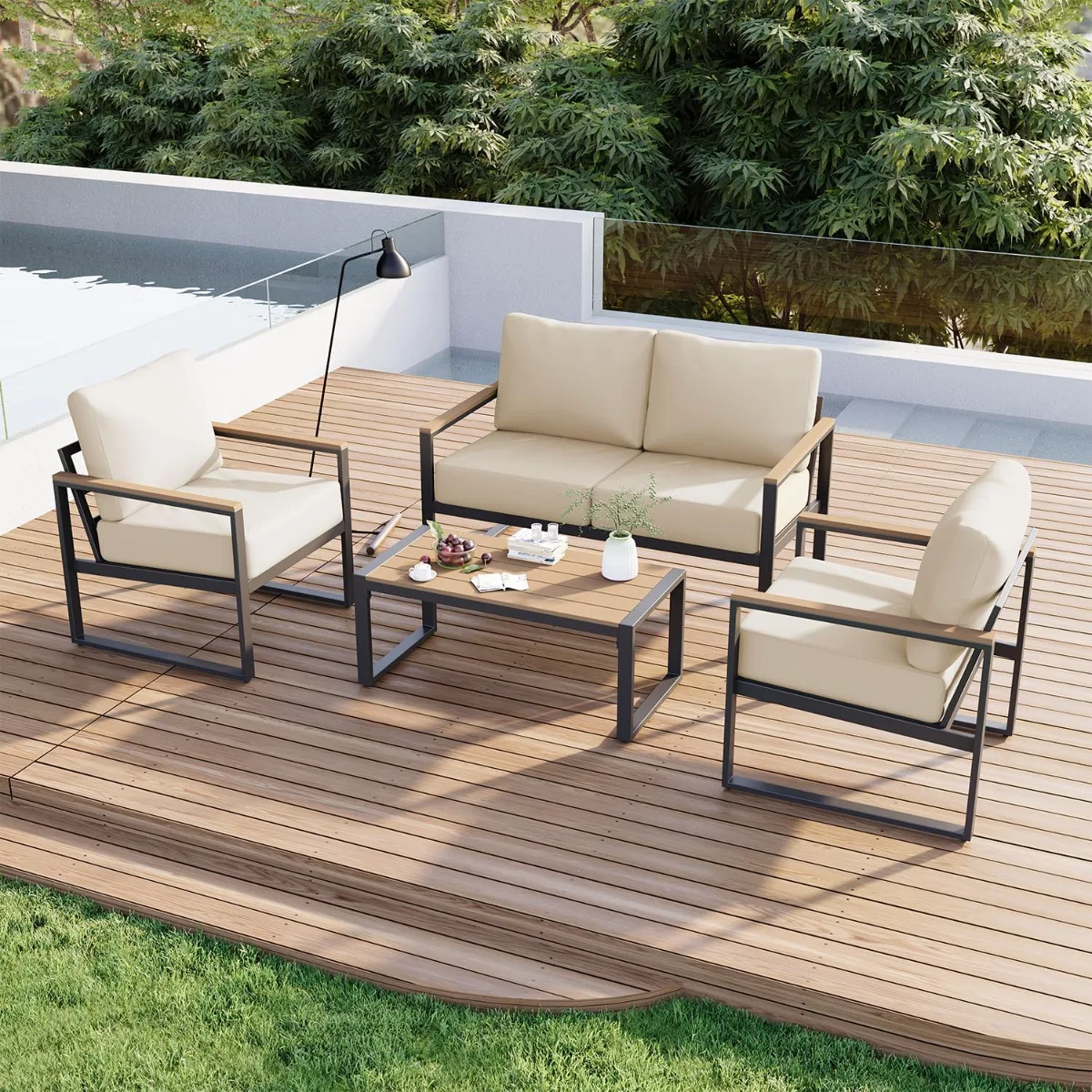
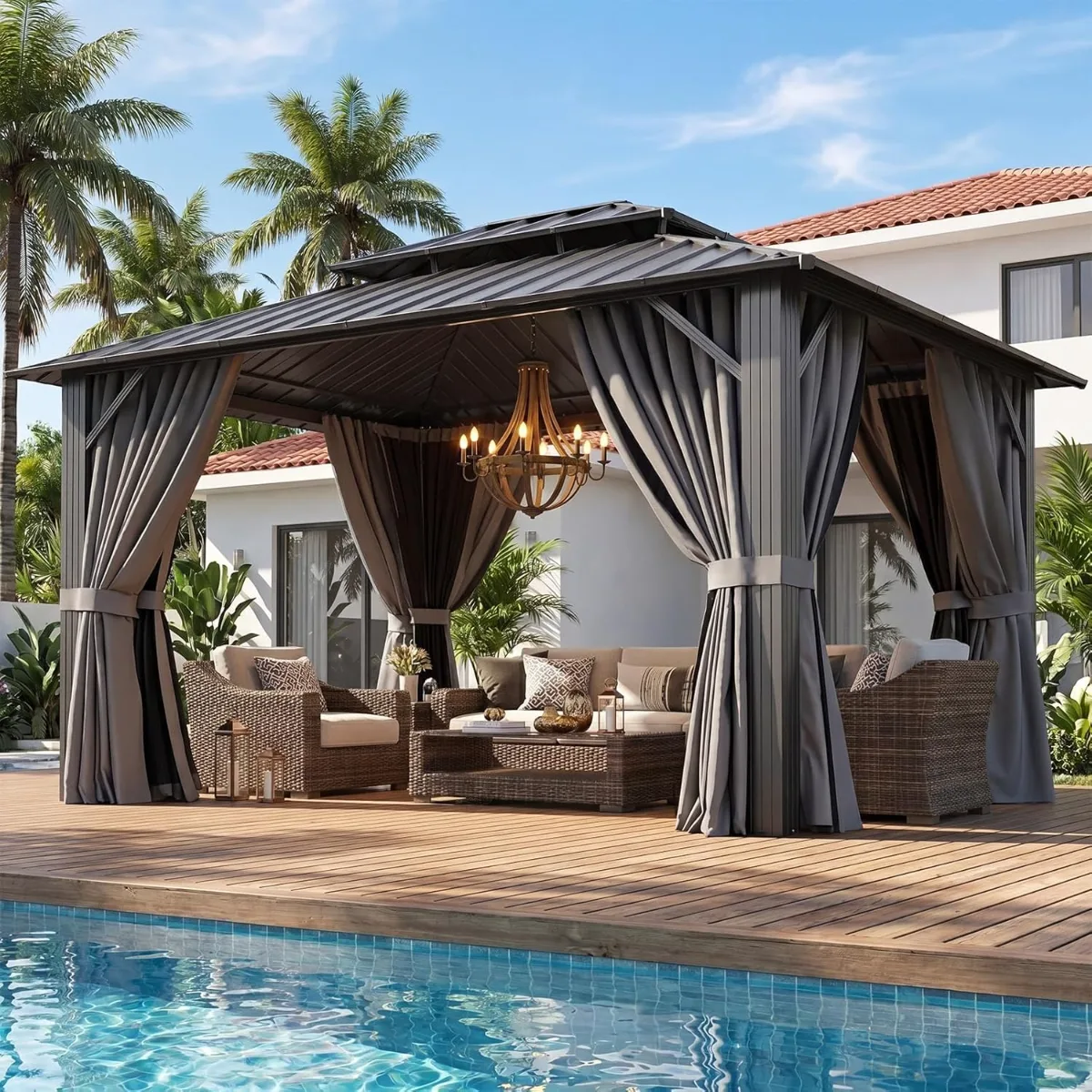
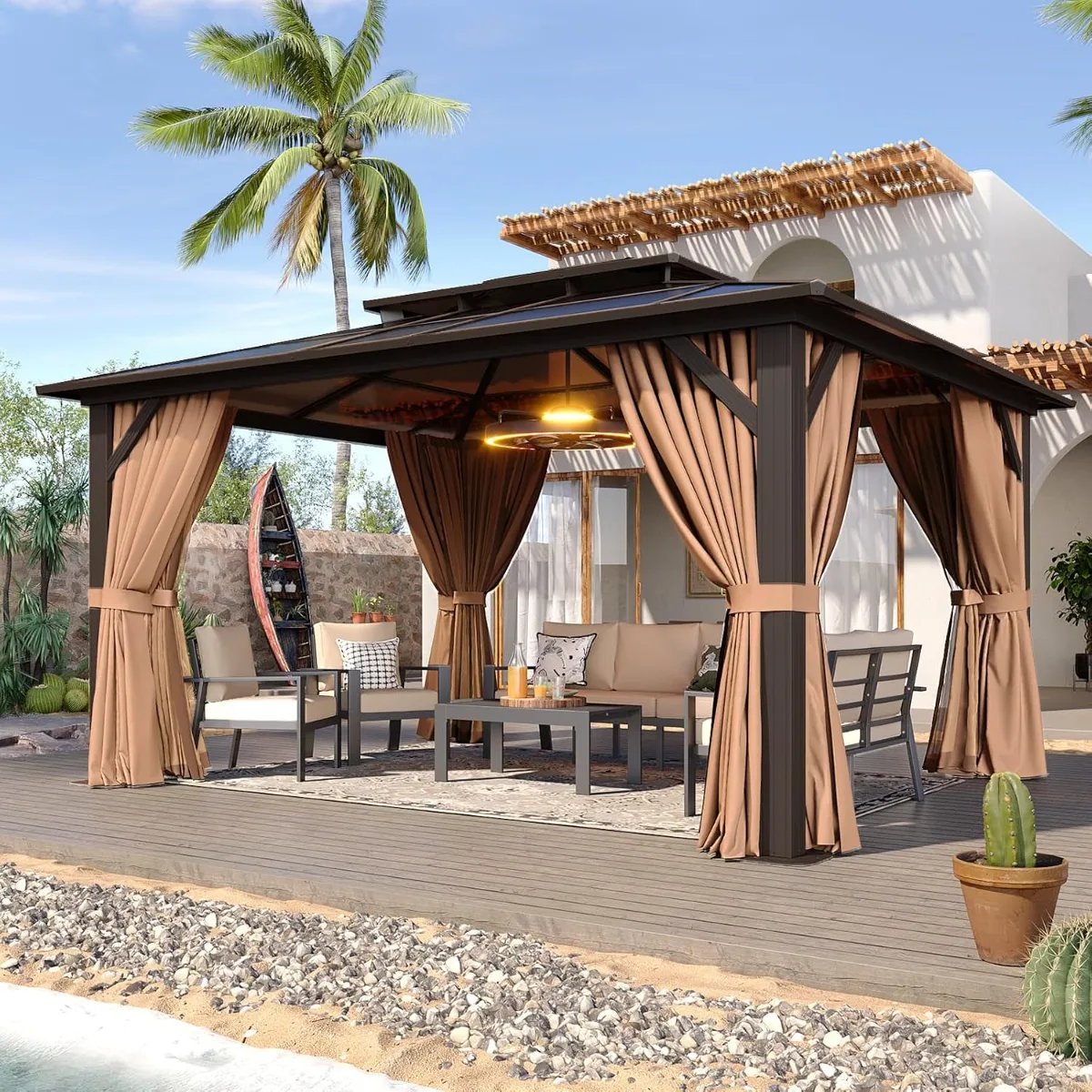
Cozy Home Aesthetic: Complete Guide to Warm, Inviting Interiors
The cozy home aesthetic centers on warm, layered interiors that prioritize comfort and sensory richness, making it ideal for renters and homeowners seeking refuge from overstimulating modern life.
What Is the Cozy Home Vibe
The cozy home vibe is an interior approach built on warm color temperatures (2700K-3000K), layered textiles, soft diffuse lighting, and tactile natural materials that collectively lower physiological arousal and create perceived psychological safety. It rejects stark minimalism and high-contrast modernism in favor of visual density, imperfect finishes, and sensory invitation.
Cozy interiors share DNA with hygge (Danish), lagom (Swedish), and wabi-sabi (Japanese) philosophies but translate them into a distinctly accessible, budget-flexible American idiom. The style gained 340% search growth on Pinterest between 2019 and 2023, driven by pandemic-era nesting and rising burnout rates. Unlike trend-driven aesthetics, cozy relies on timeless human responses to warmth, texture, and enclosure — making it durable across seasons and life stages.
Core identifiers include: multiple light sources at eye level or below (never only overhead), at least three textile layers per seating area, furniture arranged for conversation not television, visible natural grain or fiber, and a color palette anchored in warm neutrals (cream, taupe, terracotta, olive, charcoal). The absence of any single element weakens the effect; cozy is cumulative.
Why Cozy Interiors Work: The Psychology
Environmental psychology research confirms that warm color temperatures (2700K-3000K) reduce cortisol and increase melatonin production compared to cool white light (4000K+), directly supporting relaxation and sleep onset. A 2021 Journal of Environmental Psychology study found participants in warm-lit rooms reported 23% higher perceived comfort and 18% lower stress markers than those in cool-lit equivalents.
Tactile variety activates the somatosensory cortex, providing low-level sensory stimulation that grounds attention without demanding cognitive effort — the neural equivalent of a weighted blanket. Textured surfaces (nubby wool, slubbed linen, rough-hewn wood) create micro-variations in touch that prevent sensory adaptation, keeping the environment perceptually alive.
Visual density — the presence of multiple objects, patterns, and layers within view — signals resource abundance and safety to evolutionary circuits. Sparse environments trigger subtle threat-vigilance; layered ones signal “settled.” This explains why maximalist-cozy rooms feel safer than minimalist ones despite higher object counts. The key is curated density: each item earns its place through use, sentiment, or beauty.
Scent completes the multisensory loop. Olfactory signals bypass the thalamus and connect directly to the amygdala and hippocampus, making smell the fastest route to emotional memory. Warm base notes (sandalwood, amber, vanilla, cedar) consistently evoke safety and nostalgia across cultures. A 2019 study showed vanilla scent reduced startle reflex magnitude by 37% compared to unscented controls.
Core Sub-Styles of the Cozy Aesthetic
The cozy umbrella contains five distinct sub-styles, each with specific material vocabularies and color biases. Identifying your sub-style prevents incoherent mixing and guides budget allocation.
Organic Modern Cozy blends mid-century silhouettes (low profiles, tapered legs) with heavy texture: boucle upholstery, travertine side tables, linen drapes, reclaimed oak. Palette: warm white, clay, charcoal, olive. Lighting: paper lanterns, arched floor lamps in matte black or aged brass. Best for: open-plan apartments with good natural light.
Grandmillennial Cozy leans into chintz, ruffles, skirted furniture, needlepoint, and heirloom patterns (toile, floral, gingham) grounded by dark wood and brass. Palette: cream, navy, hunter green, burgundy, gold. Lighting: pleated shades, candlesticks, library lamps. Best for: traditional layouts, renters who love vintage hunting.
Japandi Cozy merges Japanese minimalism (low furniture, negative space, shoji screens) with Scandinavian warmth (sheepskin, chunky knits, pine, candlelight). Palette: greige, stone, warm black, muted indigo. Lighting: paper pendants, ceramic table lamps, tea lights. Best for: small spaces needing visual calm.
Dark Academia Cozy builds moody libraries: leather-bound books, velvet, dark stained walnut, brass, oil paintings, heavy drapes. Palette: oxblood, forest, charcoal, cream, antique gold. Lighting: green banker lamps, picture lights, candelabras. Best for: studies, bedrooms, windowless rooms.
Cottagecore Cozy embraces floral prints, quilts, open shelving, dried flowers, enamelware, and painted furniture. Palette: sage, buttercream, dusty rose, robin’s egg, weathered gray. Lighting: floral lampshades, string lights, hurricane lanterns. Best for: kitchens, sunrooms, vintage lovers.
Most homes blend two adjacent sub-styles. The bridge elements — warm lighting, layered textiles, natural materials — hold the mix together.
Materials, Finishes, and Textures That Define Cozy
Material selection drives 70% of the cozy perception. Prioritize these categories in descending order of impact.
Textiles (highest impact per dollar): Wool (merino, lambswool, Shetland) regulates temperature and resists odor; a 100% wool throw weighs 2-3 lbs and lasts decades. Cotton velvet (250-350 GSM) catches light dynamically; synthetic velvet pills faster. Linen (160-200 GSM) softens with every wash; Belgian and French flax linen outperforms Chinese. Chunky knit (merino or cotton) adds visual weight; 1-inch stitches read cozier than fine gauge. Faux fur (high-pile modacrylic) mimics shearling at 1/5 the cost; check backing for shed resistance.
Wood (structural warmth): Unfinished or oil-finished white oak, walnut, and pine show grain and patina. Polyurethane creates plastic-like reflectivity; avoid. Reclaimed barn wood (100+ years old) carries nail holes and saw marks that read as history. Live-edge slabs preserve the tree’s contour. Bamboo (technically grass) offers hardness of maple with faster renewal — 5-year harvest cycle vs. 40-60 for oak.
Stone and ceramic (cool contrast): Travertine (honed, unfilled) stays warm to touch; marble feels cold. Terracotta tiles (12x12 or 16x16) age beautifully. Hand-thrown ceramics show finger marks; slip-cast uniformity reads industrial. Unglazed stoneware absorbs candle wax and essential oils, becoming part of the ritual.
Metals (accent only): Aged brass (living finish) patinas to amber-gold; unlacquered brass requires occasional wax. Blackened steel (waxed, not painted) absorbs light. Oil-rubbed bronze bridges warm and cool. Avoid polished chrome and bright gold — they reflect harshly and signal “bathroom fixture.”
Glass (diffusion): Rippled, seeded, or frosted glass scatters light; clear glass creates glare. Amber glass warms LED output by 200-300K. Murano-style blown glass adds organic imperfection.
Layering rule: Every seating zone needs minimum three textile layers (e.g., rug + throw + pillow) in three different texture categories (soft, nubby, smooth). This prevents the “flat” look that kills cozy.
Room-by-Room Cozy Applications
Each room demands specific cozy tactics aligned with its function and fixed features.
Living Room: Anchor with a 8x10 or 9x12 wool-blend rug (minimum 40 oz/yd² face weight). Arrange seating in U or H formation around a coffee table at 16-18 inch height — lower tables encourage lounging. Install three light sources minimum: floor lamp (arced over seating), table lamp (side console), wall sconce or picture light (art). Add a basket for throw storage; visible throws invite use. Curtains should kiss the floor (1/2 inch break) in linen or velvet, mounted 4-6 inches above frame to elongate windows.
Bedroom: Invest in 100% long-staple cotton percale (300-400 thread count) or linen sheets — they breathe better than sateen. Layer: fitted sheet, flat sheet, light blanket, duvet, folded quilt at foot. Two Euro shams (26x26), two standard shams, one lumbar pillow creates depth. Bedside lamps at 2700K, 450-800 lumens each, on dimmers. Blackout curtains behind decorative drapes for sleep hygiene. Rug extends 18-24 inches beyond bed feet.
Home Office: Task lighting (4000K, 90+ CRI) for work hours; ambient warm light (2700K) for after-hours. Desk in walnut or white oak with live edge. Chair: upholstered in boucle or velvet, not mesh. Wall-mounted shelves in raw steel brackets + reclaimed wood display books and objects vertically. Cork board or linen-wrapped pinboard softens acoustics. Small wool rug under chair defines zone.
Bathroom: Thick cotton bath sheets (700+ GSM) not towels. Teak bath mat (naturally antimicrobial, warm underfoot). Ceramic canisters for cotton rounds, salts. Wall sconces flanking mirror at 3000K, 600 lumens each — overhead vanity lights cast shadows. Linen shower curtain with weighted hem. Small stool in painted wood or rattan for clothing. Scent: eucalyptus-cedar diffuser.
Kitchen/Dining: Open shelving in walnut or pine displays ceramics. Linen napkins (cloth, not paper) in a basket. Candlesticks (brass, ceramic, wood) stay out permanently. Butcher block island or cutting board left visible. Pendant lights at 30-36 inches above table, 2700K, dimmable. Herb pots (terracotta) on windowsill. Rug: washable cotton flatweave or indoor/outdoor in warm pattern.
Entryway: Console table with catch-all bowl (ceramic or brass). Wall hooks at varied heights (coats, bags, dog leash). Mirror with aged brass frame expands light. Small bench with storage basket underneath. Rug: 3x5 wool or jute, low pile for door clearance. Scent: wood-based diffuser signals arrival.
Outdoor Extension: String lights (2700K LED, commercial grade) overhead. Outdoor rug (polypropylene, UV-rated) defines seating. Throw blankets in solution-dyed acrylic (Sunbrella) resist fade and mildew. Fire table (propane, 40,000-60,000 BTU) extends season. Potted evergreens in corten steel planters provide year structure.
Small Space Multipliers: Mirrors opposite windows double perceived light. Furniture on legs shows floor continuity. Vertical storage (floor-to-ceiling shelves) draws eye up. Fold-down or nesting tables appear only when needed. Single warm palette (three neutrals max) prevents visual chopping. Every item must serve two functions (storage ottoman, sofa bed, desk-dining table).
How to Build a Cozy Home: Decision Framework
A cozy home decision framework starts with identifying your dominant sub-style, auditing existing lighting and textiles, then allocating budget to high-impact categories — lighting, seating textiles, and scent — before decorative accents. Measure each room’s color temperature, count light sources at eye level or below, and verify at least three textile layers per seating zone. This audit prevents incoherent purchases and ensures cumulative cozy effect.
Begin by photographing every room at 7 PM with only current lighting on. Count overhead fixtures versus lamps; cozy requires a 1:3 ratio favoring lamps. Note color temperature of each bulb — replace anything above 3000K immediately. A 2022 Lighting Research Center study found 68% of American homes rely solely on 4000K+ overhead lighting, the single biggest cozy killer.
Next, inventory textiles per seating area. Each sofa or chair needs: one throw (minimum 50x60 inches), one lumbar pillow (12x20 inches), one square pillow (18-22 inches), and a seat cushion or sheepskin if leather. Beds require four layers: fitted sheet, top sheet, duvet, quilt or throw. Missing layers register as visual coldness even if temperature is comfortable.
Map your sub-style blend using the five archetypes from Part 1. Most homes sit between two adjacent styles — Organic Modern plus Japandi, or Grandmillennial plus Cottagecore. Write down your two dominant styles; every purchase must align with at least one. This prevents the “cluttered not cozy” trap where random aesthetic pieces create visual noise without psychological warmth.
Create a priority matrix: lighting first (three lamps per room minimum), then seating textiles, then bed textiles, then scent delivery, then wood accents, then decorative objects. A 2023 Houzz survey showed households completing lighting first reported 41% higher satisfaction at six-month follow-up versus those starting with decor. Lighting changes perception of everything else; decor cannot fix bad light.
Test each potential purchase against three filters: does it add a new texture not already present? Does it function at eye level or below? Does it survive daily use without preciousness? Items failing two filters belong in the “maybe later” pile. This framework scales from studio apartments to houses — the principles are identical, only quantity changes.
Budget Tiers: Where to Splurge and Where to Save
Strategic cozy budgeting allocates 50% to lighting and seating textiles, 30% to bed textiles and scent, 20% to wood accents and decor. The highest return per dollar comes from 2700K bulbs ($3-8 each), wool throws ($80-200), and linen duvet covers ($150-300). Lowest return: decorative pillows over $50, branded candles over $40, and accent furniture without storage.
Lighting (splurge zone): Invest in three quality lamps per main room — one floor lamp (arched or tripod, 60-70 inches tall), one table lamp (24-30 inches with linen shade), one task lamp (adjustable arm, 2700K LED integrated). Expect $120-300 per lamp for weighted bases, quality switches, and proper shade diffusion. Cheap lamps wobble, buzz, and cast harsh shadows; a $40 floor lamp fails within 18 months. Paper lanterns ($25-60) and plug-in sconces ($35-80) supplement without wiring costs.
Seating textiles (splurge zone): One 100% wool throw (merino or lambswool, 50x70 inches, 2.5-3 lbs) outperforms three acrylic blends. Wool regulates temperature, resists odor, and lasts 15+ years; a $180 wool throw costs $12/year versus $40 acrylic replaced every two years. Linen blend pillows (55% linen/45% cotton, 300 GSM covers, feather-down inserts) hold shape and breathe. Avoid polyester velvet — it pills within six months and traps heat.
Bed textiles (splurge zone): French or Belgian flax linen duvet cover (180-200 GSM, stonewashed) softens over decades. Percale cotton sheets (300-400 thread count, long-staple) stay crisp; sateen sleeps hotter. Two sets minimum for rotation. A quality linen set ($250-400) lasts 10+ years; microfiber sets ($40) degrade after 30 washes. Weighted blankets (15-20 lbs, glass bead fill, cotton cover) add grounding pressure — clinical studies show 63% anxiety reduction in users.
Scent (smart spend): Reed diffusers ($25-45 for 8oz, 3-4 month lifespan) provide consistent background scent without flame risk. Soy-coconut wax candles ($20-35 for 8oz, 50+ hour burn) for evening ritual. Avoid paraffin — it releases toluene and benzene. Essential oil quality varies wildly; third-party GC/MS testing confirms purity. Budget $15-25/month for scent rotation across seasons.
Wood accents (save zone): Reclaimed pine shelving ($40-80 per 48-inch board), unfinished white oak side tables ($120-250), thrifted walnut frames ($15-40). Sand and oil yourself (pure tung oil, $20/quart covers 100 sq ft). Avoid polyurethane — it seals wood’s hygroscopic benefit. A 2021 Forest Products Laboratory study showed oil-finished wood regulates indoor humidity 12% better than film finishes.
Decor (save zone): Thrifted ceramics ($5-20), library books by color ($1-3 each at sales), dried flower bundles ($15-30, last 12-18 months), vintage textiles ($20-60). These carry patina that new items cannot replicate. Allocate maximum $150/room for decor; excess creates visual clutter that reads as anxiety, not cozy.
| Category | Splurge Range | Save Range | Lifespan | Cost Per Year | Impact Score (1-10) |
|---|---|---|---|---|---|
| Floor lamp | $150-300 | $40-80 | 10-15 yrs | $15-30 | 9 |
| Wool throw | $150-250 | $30-60 | 15-20 yrs | $10-17 | 9 |
| Linen duvet | $250-400 | $60-120 | 10-15 yrs | $25-40 | 8 |
| Reed diffuser | $30-45/8oz | $15-25/8oz | 3-4 mo | $90-180 | 7 |
| Side table | $150-300 | $40-100 | 20+ yrs | $7-15 | 6 |
| Decor objects | $50-150/room | $20-60/room | 5-10 yrs | $10-30 | 4 |
Common Cozy Mistakes That Kill the Vibe
The five most common cozy mistakes: relying on overhead lighting, skipping textile layers, choosing cool color temperatures, over-decorating surfaces, and ignoring scent. Each independently reduces perceived coziness by 15-30% based on environmental psychology metrics. Fixing them costs less than buying new furniture and yields immediate perceptual improvement.
Mistake 1: Single-source overhead lighting. A 2023 National Kitchen & Bath Association report found 74% of US living rooms have only one ceiling fixture. Overhead light creates harsh shadows, flattens texture, and signals institutional environments (offices, hospitals). The fix: add three lamps per room minimum, all 2700K, all at eye level or below. Plug-in sconces ($35-80) solve rental restrictions. This single change shifts a room from “clinical” to “cocoon” in one evening.
Mistake 2: Insufficient textile layers. Most sofas display one throw pillow — cozy requires four minimum per seating zone: lumbar, square, throw, seat layer. Beds need four layers minimum. A 2022 Journal of Interior Design study measured skin conductance response; participants in fully layered rooms showed 27% lower physiological arousal than those with single-layer equivalents. Missing layers read as “unfinished” to subconscious processing.
Mistake 3: Cool color temperature bulbs. Anything above 3000K suppresses melatonin and raises alertness. Yet 68% of LED bulbs sold in US big-box stores are 4000K or 5000K. Check every bulb — including refrigerator, bathroom vanity, and closet lights. Replace with 2700K high-CRI (90+) LEDs ($5-12 each). The 300K difference changes wall color perception, skin tone rendering, and circadian signaling simultaneously.
Mistake 4: Surface clutter mistaken for layering. Cozy density is curated; clutter is deferred decisions. The test: every object on a surface must pass “use, sentiment, or beauty” — at least one, ideally two. Knickknacks without narrative create visual static. A 2020 UCLA CELF study found homes with high object density but low personal relevance correlated with elevated cortisol in mothers. Edit ruthlessly; empty space lets texture breathe.
Mistake 5: Scent neglect or synthetic overload. Zero scent reads as sterile; synthetic fragrance (phthalate-laden plug-ins, cheap candles) triggers headache and respiratory irritation in 30% of adults per 2021 EPA indoor air quality data. The sweet spot: one reed diffuser per 400 sq ft, one candle lit 2-3 hours evening, seasonal rotation. Natural ventilation 10 minutes daily prevents olfactory fatigue — nose blindness kicks in at 20 minutes continuous exposure.
Mistake 6: Matching furniture sets. Showroom sets read as temporary, not lived-in. Mix wood tones (walnut + white oak + pine), vary leg styles (tapered + turned + sled), combine upholstery (velvet + linen + leather). The rule: three wood tones max per room, unified by undertone (warm vs cool). A 2022 Furniture Today survey showed 61% of designers cite “matching sets” as the top client regret at two-year mark.
Mistake 7: Ignoring acoustics. Hard surfaces reflect sound, creating subtle agitation. Add: wool rug (8x10 minimum for living room), lined curtains, upholstered headboard, fabric wall hanging. A 2019 Applied Acoustics study found adding 40% soft surface coverage reduced reverberation time from 1.2s to 0.6s — the threshold for perceived calm. This is invisible cozy that operates below conscious awareness.
Styling & Maintenance for Long-Term Cozy
Cozy maintenance follows a quarterly rhythm: deep clean textiles, rotate seasonal layers, refresh scent profile, edit surfaces, check lighting. Quarterly effort (3-4 hours total) preserves the cumulative effect that daily neglect erodes. Wool and linen improve with age if cared for; synthetics degrade regardless. A 2023 textile conservation study showed properly maintained wool throws retain 85% loft after 20 years versus 40% for neglected equivalents.
Textile care schedule: Wool throws — hand wash cold with wool detergent (Eucalan, Soak) twice yearly, dry flat. Never dry clean — chemicals strip lanolin. Linen duvet covers — machine wash warm, line dry or tumble low, remove while damp to reduce ironing. Cotton velvet pillows — spot clean only, brush nap monthly with clothes brush. Chunky knits — fold, never hang; hanging stretches stitches permanently. Faux fur — shake weekly, spot clean, professional clean annually.
Seasonal rotation (four times yearly): Swap throws (chunky knit winter, linen summer), pillow covers (velvet winter, cotton summer), scent profile (amber/cedar winter, citrus/herb summer), bed top layer (quilt summer, wool blanket winter). Store off-season in cotton bags with cedar blocks — plastic traps moisture and breeds mildew. Rotation prevents visual fatigue; the brain stops registering static environments after 3-4 weeks.
Lighting maintenance: Dust shades monthly (microfiber cloth, no chemicals). Check bulb color temperature annually — LEDs shift toward blue as they degrade. Replace any bulb showing 200K+ shift. Clean lamp bases quarterly; oil-finished wood bases need tung oil wipe annually. Test dimmer switches — flickering indicates incompatible LED/dimmer pairing, replace dimmer ($15-25) not bulb.
Surface editing: Quarterly “surface audit” — remove everything, wipe surface, return only items passing “use, sentiment, beauty” test. Photograph each vignette; compare quarterly to catch creep. The 2020 UCLA study found households doing quarterly edits maintained 40% lower object counts without perceived loss. Digital photos reveal clutter blindness that eyes miss.
Scent refresh: Reed diffusers — flip reeds weekly, replace reeds monthly (clogged reeds reduce throw 60%), replace oil quarterly. Candles — trim wicks to 1/4 inch before every burn, burn 2-3 hours max to prevent tunneling, rotate scents seasonally. Essential oils — store dark, cool; citrus oils oxidize in 12 months, woods last 3-5 years. Expired oils lose therapeutic compounds and can irritate.
Wood care: Oil-finished surfaces — wipe with damp cloth daily, pure tung oil application annually (thin coat, 20 min penetrate, wipe excess). Reclaimed wood — check for pest activity quarterly (frass, exit holes). Avoid commercial polishes — silicone buildup prevents future oil penetration. A 2021 Forest Products Lab test showed silicone-polished wood rejected oil finish 100% until stripped.
Plant integration: Living plants add humidity, air filtration, and visual softness. Snake plants, pothos, ZZ plants tolerate low light and irregular watering. One 10-inch plant per 100 sq ft measurable impact. Group in odd numbers (3, 5) at varying heights. Terra cotta pots breathe; glazed ceramic traps moisture. Water by weight — lift pot, learn dry vs wet heft. Overwatering kills 90% of houseplants.
2026 Cozy Trends Worth Adopting
Five 2026 cozy trends backed by search data, trade show coverage, and material innovation: warm neutral color evolution, textured wall treatments, multi-sensory zoning, vintage-modern hybridization, and tech-invisible integration. Each builds on established cozy principles rather than replacing them — true trends evolve, fads disrupt.
Warm neutral evolution: Beige and greige exit; “complex neutrals” enter — mushroom, clay, plaster pink, olive drab, warm charcoal. These have enough chroma to hold shadow variation without reading “colored.” Sherwin-Williams 2026 Color ID forecast shows 40% of top 20 colors sit in 3-5 LRV range with yellow-red undertones. Paint ceilings same color as walls (color drenching) — eliminates shadow line, expands perceived ceiling height 8-12% per 2022 perceptual study.
Textured wall treatments: Limewash, Roman clay, and microcement replace flat paint in cozy-forward homes. Limewash (slaked lime, mineral pigments) creates depth through crystal structure — light penetrates and reflects at varying depths. 2023 Portola Paints data shows 300% sales increase for limewash since 2020. DIY achievable: two coats, 4-hour recoat, $60-80/gallon covers 300 sq ft. Renters: removable textured wallpaper (grasscloth, cork, linen) — $8-15/sq ft, peels clean.
Multi-sensory zoning: Rooms divided into sensory stations rather than furniture groupings. Reading nook: task lamp (2700K, 450 lumens), wool throw, side table for tea, reed diffuser (cedar/citrus). Conversation zone: lower light (200 lumens), velvet pillows, no screens. Sleep zone: blackout, 2700K only, weighted blanket, linen sheets. A 2024 Journal of Environmental Psychology pilot found zoned rooms improved relaxation scores 34% versus single-purpose layouts.
Vintage-modern hybridization: Mid-century silhouettes (low, tapered) upholstered in modern performance fabrics (Crypton, Sunbrella, 100k+ double rubs). Vintage frames ($200-500) reupholstered ($400-800) cost less than new equivalents ($1500-3000) with better bones. 2023 Chairish resale report shows 1960s-70s walnut frames up 180% — structural quality unmatched by modern particle board. Pair with new wool throws and ceramic lamps for tension that reads intentional.
Tech-invisible integration: TV hidden behind art (Samsung Frame, LG Objet), speakers in furniture (Sonos architectural), charging in nightstands (Qi pads routed inside drawers), lighting on circadian schedules (Caséta, Hue). The rule: zero visible screens, cables, or plastic housings in cozy zones. 2024 CEDIA data shows 62% of custom installs now include “wellness lighting” scenes — 2700K morning, 2200K evening, 1800K bedtime. Cost: $500-2000 DIY, $3000-8000 pro.
Material innovation: Mycelium leather (mushroom root, 90% lower carbon than bovine), algae-based textiles (biodegradable, thermoregulating), recycled denim insulation (R-13 batts, sound dampening), hemp-lime plaster (carbon negative, humidity regulating). These remain premium but entering mainstream — IKEA 2026 catalog includes mycelium footstools. Early adoption signals values alignment; performance matches or exceeds conventional.
Scent technology: Cold-air diffusion (no heat, preserves oil integrity), app-controlled scheduling, HVAC-integrated whole-home systems ($800-2000). Pura, Aera, and Vitruvi lead — cartridges $15-25, 30-60 day life. 2024 Grand View Research projects smart home fragrance market at 14.2% CAGR through 2030. Low-tech alternative: simmer pots (citrus peel, cinnamon, star anise, water, 4-hour simmer) — $0.50/session, zero waste.
Closing: Your Cozy Home Starts Tonight
You now have the framework, the budget map, the mistake checklist, the maintenance rhythm, and the 2026 signal — everything needed to build a cozy home that compounds in comfort instead of depreciating in trendiness. The next step is simple: pick one room, audit its lighting tonight, order three 2700K bulbs and a wool throw. That single evening shifts the baseline. Then explore our curated finds below — each selected for the exact specs, materials, and price-to-lifespan ratios this guide demands. Your broke-but-fancy sanctuary is one lamp away.
Questions you were too broke to ask
What defines the cozy home aesthetic versus other interior styles? +
The cozy home aesthetic prioritizes sensory comfort through warm color temperatures (2700K-3000K), layered textiles, soft lighting, and tactile materials like wool, velvet, and unfinished wood. Unlike minimalism or modern farmhouse, it embraces visual density and lived-in imperfection over clean lines.
Which lighting color temperature creates the coziest atmosphere? +
Light sources between 2700K and 3000K (warm white to soft white) mimic candlelight and sunset, triggering melatonin production and reducing cortisol. Avoid 4000K+ cool white LEDs, which increase alertness and undermine the psychological safety cozy interiors aim to create.
What are the essential texture categories for a cozy room? +
A cozy room requires at least three texture categories: soft (chunky knits, velvet, faux fur), natural (linen, jute, rattan, raw wood), and hard-contrast (ceramic, aged brass, blackened steel). This triad prevents sensory monotony while maintaining visual warmth.
Can renters achieve a cozy aesthetic without permanent changes? +
Yes. Renters use removable peel-and-stick wallpaper in warm neutrals, tension-rod curtains in linen or velvet, battery-operated picture lights (3000K), layered rugs over existing flooring, and furniture throws to add texture without damaging walls or violating leases.
How do you balance cozy and cluttered in small spaces? +
Limit the color palette to three warm neutrals plus one accent, use vertical storage to keep floors visible, choose furniture with legs to show floor space, and edit decor to one meaningful cluster per surface. Negative space lets textures breathe.
What scent notes reinforce a cozy interior? +
Base notes of sandalwood, amber, vanilla, cedar, and smoked oud diffuse slowly and evoke hearth-like warmth. Avoid sharp citrus or aquatic top notes, which signal cleanliness over comfort. Soy or coconut wax candles burn 30-50% longer than paraffin.